
Surface defect classification on hot-rolled strip
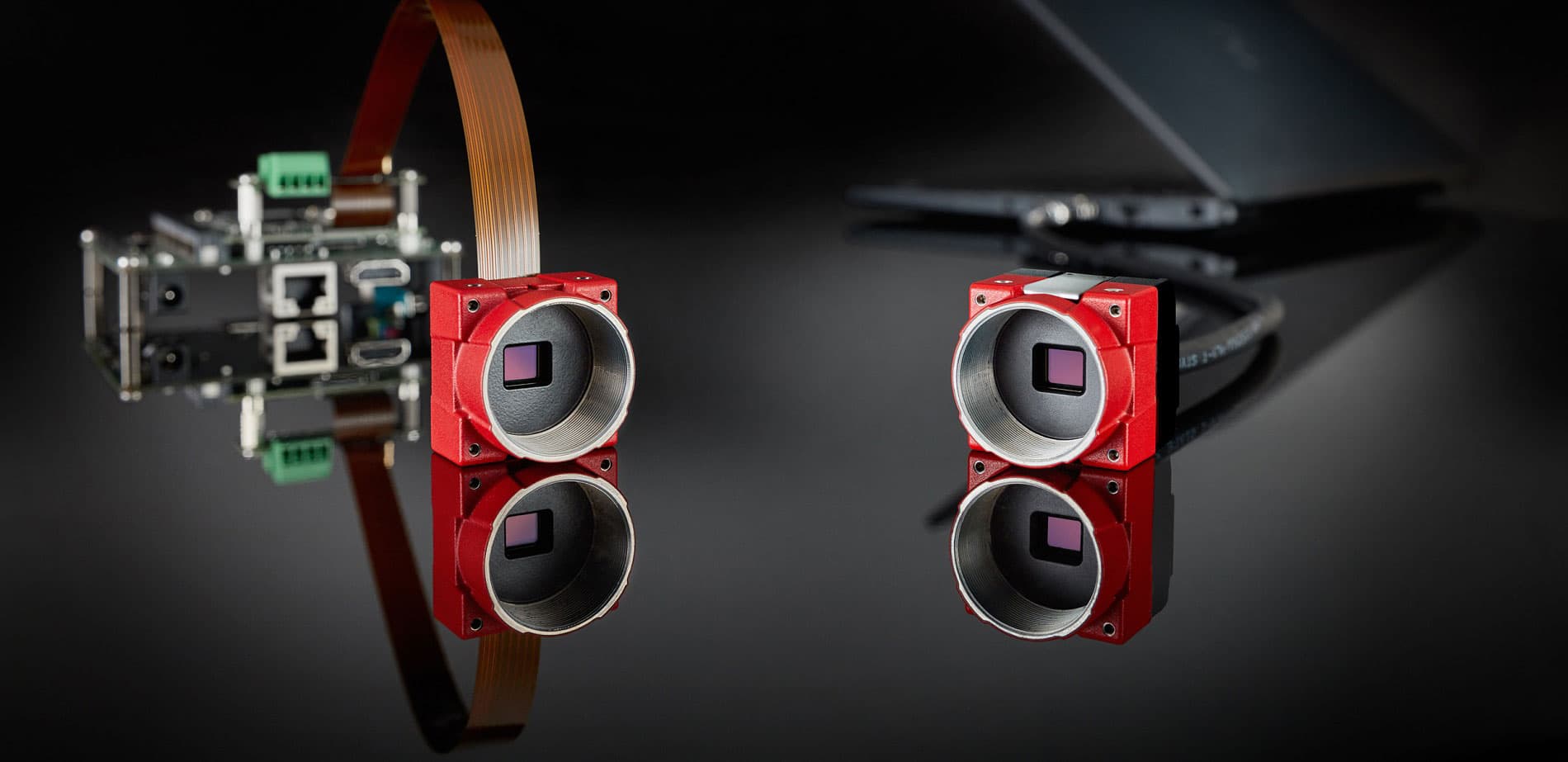
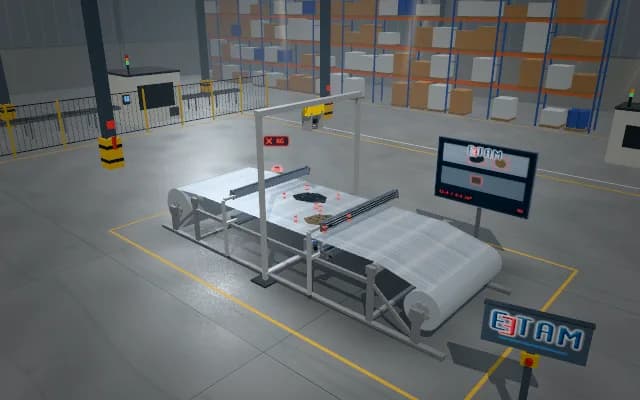
Before coiling, the strip passes between protected upper and lower line cameras. In intensity images acquired under multi-angle lighting, a deep-learning model classifies scale and oxide patches; findings are linked to the coil record.
Class masks and defect coordinates are linked to the coil record; scale findings feed descaling control and the inspection map goes to the quality display.
- 01 Strip
- 02 Illuminate
- 03 Acquire
- 04 Classify
- 05 Record
The strip passes through the inspection span.
- Scale area
- —
- Oxide area
- —
- Classified regions
- —
Scenes are illustrative simulations; they are not customer references or performance guarantees.
Need
Scale, oxide and metal reflections produce tones that change with viewing angle. The same defect can show different contrast on the two strip faces; images must be registered by position.
Solution approach
Upper and lower line cameras image the strip under bars at different angles. Intensity lines registered by travel position form surface maps. A deep-learning model classifies scale and oxide regions; masks are transferred to coil coordinates.
Process steps
- 01
Strip
The strip passes through the inspection span.
- 02
Illuminate
Lights at different angles expose the surface.
- 03
Acquire
Upper and lower lines form surface maps.
- 04
Classify
The model segments scale and oxide regions.
- 05
Record
Class and position are linked to the coil record.
Related applications




Let us assess your application together
We test your sample in our laboratory and report on resolution, optics and lighting selection.