
Encoder-positioned merged reject windows for tobacco foreign material
Finding foreign material in an image does not prove physical removal. Nearby targets, transport uncertainty and late results can trigger a reject flap in the wrong interval and let suspect flow enter the clean path.
Proposed output: event-linked reject interval, command status and feedback state. Physical removal performance requires separate measurement; this concept explains timing and suspect-flow handling.

- 01 Presentation
- 02 Trigger and reference
- 03 Image / profile
- 04 Decision
- 05 Evidence and PLC
Validate the candidate with an event identity
- Sample record
- —
- Window and flap verification
- —
- Acquisition progress
- —
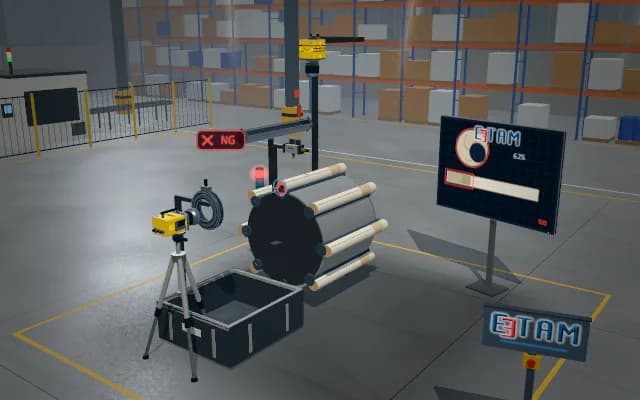
Scenes are illustrative simulations; they are not customer references or performance guarantees.
Solution approach
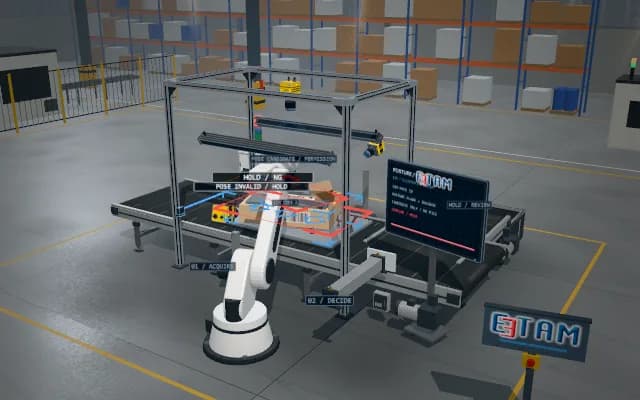
Track a validated candidate by event identity and encoder position. Build reject intervals around transport uncertainty, merge overlapping windows and schedule the command before arrival. Separate command acknowledgement from flap feedback. Apply the agreed alarm and feed-hold rule if position is unconfirmed.
Process steps
- 01
Presentation
Validate the candidate with an event identity
- 02
Trigger and reference
Update encoder position
- 03
Image / profile
Merge reject windows
- 04
Decision
Compare command and feedback
- 05
Evidence and PLC
Record the suspect-flow state
Related applications




Let us assess your application together
We test your sample in our laboratory and report on resolution, optics and lighting selection.